

Noticed your toenails looking different lately? Whether they’re thick, brittle, yellow, or just not quite right, changes in your toenails can be more than cosmetic. At Podiatry of Greater Cleveland, we help patients every day decode what their nails are trying to tell them.
From fungal infections to vitamin deficiencies, here are some common causes of nail changes — and when it’s time to see a podiatrist.
🌟 Common Toenail Changes and What They Might Mean

1. Yellow or Discolored Nails
Often caused by fungal infections (onychomycosis), especially if the nail is thick or crumbly. Less commonly, yellowing can result from diabetes, psoriasis, or smoking.
2. Thickened or Brittle Nails
Thick nails that are difficult to trim may also suggest a fungal infection, injury to the nail bed, or simply aging. Brittle, splitting nails can signal nutrient deficiencies such as low biotin, iron, or zinc levels.
3. Ridges or Pitting
Vertical ridges can be normal with age, but deep grooves, pitting, or spoon-shaped nails may point to anemia, thyroid issues, or psoriasis.
4. Ingrown Toenails
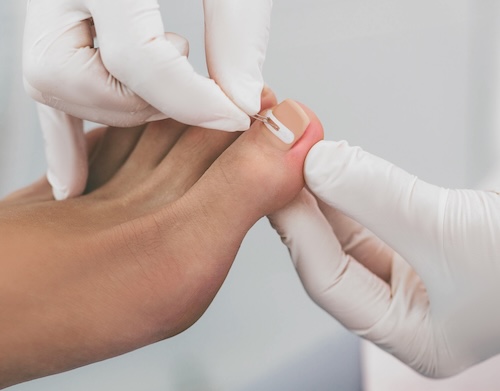
If your nail curves into the skin or causes pain, redness, or swelling, it may be ingrown — especially common with tight shoes or improper trimming.
5. Dark Streaks or Black Spots
While often due to bruising, dark discoloration under the nail could be a warning sign of melanoma. Any new or growing black spot should be evaluated immediately.
Helpful Tip: When in doubt, take a clear photo of the nail to monitor changes over time or show your podiatrist.
🔪 When to See a Podiatrist
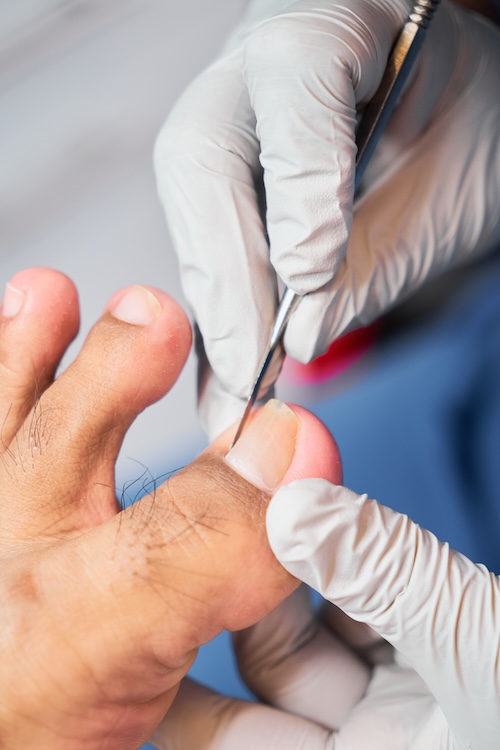
Nail changes aren’t always serious — but they can be a window into your overall health. Seek medical care if:
- Your nail becomes thick, painful, or discolored
- Home treatments for fungus or ingrowns don’t work
- You have diabetes and notice changes in nail or skin
- There’s bleeding, oozing, or odor from the nail
- You have a history of skin cancer and notice a new spot
At Podiatry of Greater Cleveland, we offer:
- In-office fungal nail evaluations and treatments
- Nail debridement or removal when necessary
- Safe trimming and care for diabetic feet
- Biopsy or lab testing when appropriate
📅 Keeping Toenails Healthy at Home
- Trim nails straight across (not curved)
- Keep feet clean and dry, especially between toes
- Change socks daily and rotate shoes
- Avoid sharing nail tools or walking barefoot in locker rooms
- Moisturize nails and cuticles regularly
- Take a multivitamin if your doctor recommends it
Product Link: APMA-Approved Foot and Nail Products
💼 Don’t Ignore What Your Nails Are Telling You
Your toenails can provide important clues about what’s happening inside your body. If something seems off, let us take a closer look.
📞 Call (440) 884-4100 or (440) 660-2990
🌐 Visit clevelandfoot.com to schedule your nail health evaluation.
#ToenailHealth #FootCare #NailChanges #PodiatryOfGreaterCleveland #ClevelandPodiatrist