

As the weather improves, many people begin walking more, exercising outdoors, or increasing their daily activity levels. While this is great for overall health, a sudden increase in activity can lead to unexpected foot pain.
If your feet have started to feel sore, tired, or painful after walking more this spring, you are not alone. Understanding the cause of this discomfort can help prevent more serious issues from developing.
Why Foot Pain Happens When Activity Increases
Your feet absorb a significant amount of impact with every step you take. When activity levels suddenly increase, the muscles, tendons, and ligaments in the feet may not have time to properly adjust.
This can lead to:
• inflammation
• muscle strain
• overuse injuries
• joint stress
Even a simple increase in daily walking can place additional pressure on the feet, especially if proper support is lacking.
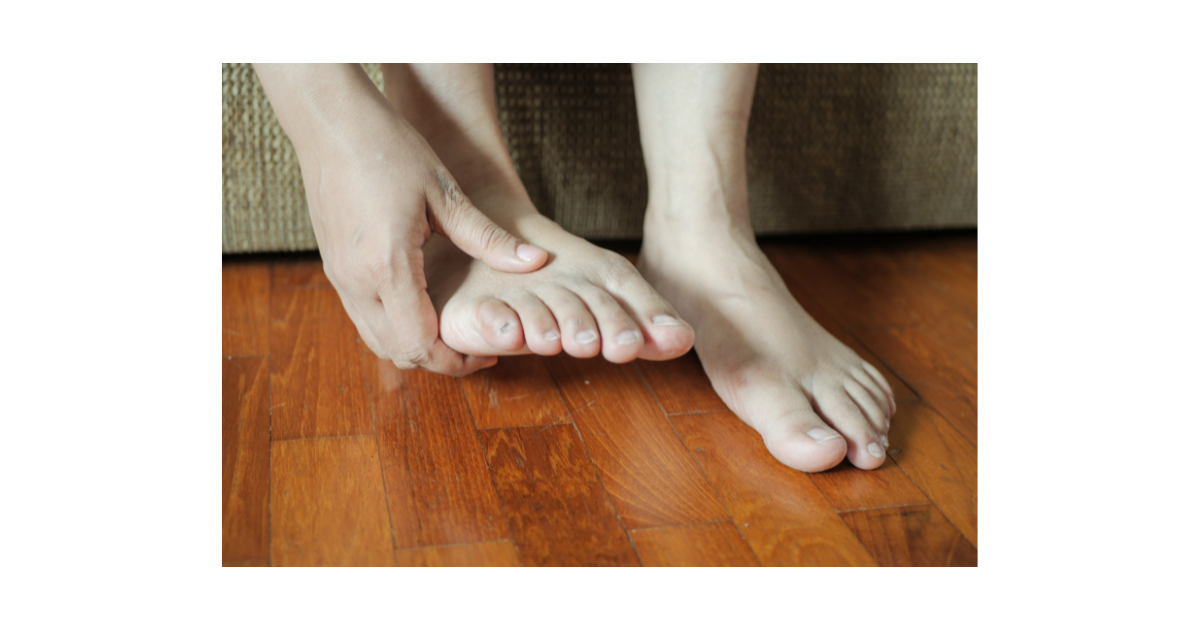
Common Causes of Foot Pain After Walking
Several factors may contribute to foot pain when activity increases.
Overuse and Muscle Fatigue
When your feet are not accustomed to increased movement, the muscles can become fatigued, leading to soreness and discomfort.
Improper Footwear
Shoes that lack proper support or cushioning can increase strain on the feet and contribute to pain.
Stress Injuries
Repetitive impact from walking or exercise can lead to small stress-related injuries in the bones or soft tissues.
Tight Muscles and Limited Flexibility
Tight calf muscles and limited flexibility can place additional strain on the feet and ankles.
| Simple Stretches to Help Relieve Foot PainIncorporating a few gentle stretches into your daily routine can help reduce tension in the feet and lower legs, especially when increasing activity levels.Calf Stretch (Wall Stretch) Stand facing a wall and place your hands against it. Step one foot back, keeping your heel flat on the ground and your back leg straight. Lean forward slightly until you feel a stretch in your calf. Hold for 20–30 seconds, then switch sides.Plantar Stretch (Seated Foot Stretch) While seated, cross one foot over the opposite knee. Gently pull your toes back toward your shin until you feel a stretch along the bottom of your foot. Hold for 15–20 seconds and repeat on each foot.Toe Stretch Sit comfortably and gently pull your toes apart using your fingers. You can also flex and point your toes to help improve mobility. Repeat for 10–15 seconds per foot.Towel Stretch Sit with your legs extended. Loop a towel around the ball of your foot and gently pull it toward you while keeping your knee straight. Hold for 20–30 seconds, then switch feet.Stretching daily—especially before and after activity—can help reduce strain on the feet and improve flexibility. |
How to Prevent Foot Pain
Taking a few simple precautions can help reduce the risk of foot pain as activity levels increase.
• gradually increase activity
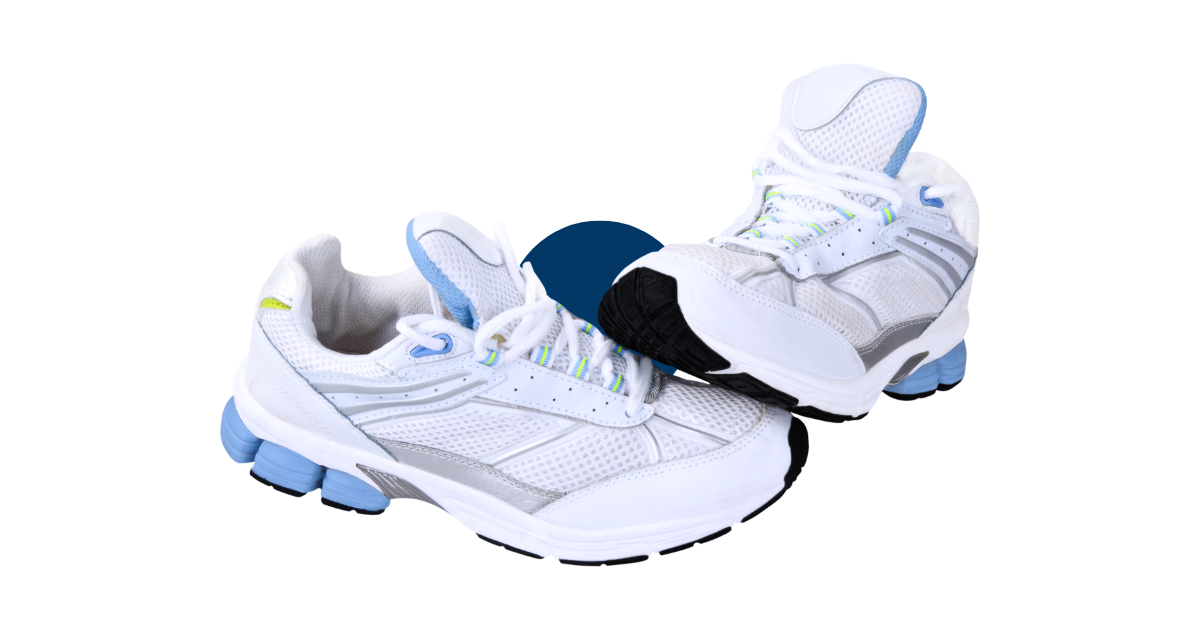
• wear supportive, well-fitting footwear
• stretch regularly
• replace worn-out shoes
• rest if discomfort begins
These steps can help your feet adjust safely to increased activity.
When to See a Podiatrist
While mild soreness may be expected, persistent or worsening foot pain should not be ignored.
You may benefit from evaluation if you experience:
• pain that does not improve with rest
• swelling or tenderness
• difficulty walking
• pain that interferes with daily activities
A podiatrist can identify the underlying cause and recommend treatment options to help you stay active and comfortable.
If you are experiencing foot pain this spring, the team at Podiatry of Greater Cleveland is here to help.
📞 Parma Office: (440) 884-4100
📞 Broadview Heights Office: (440) 660-2990
🌐 www.clevelandfoot.com