

Diabetes affects circulation and nerve function — especially in the feet.
After months of winter dryness, decreased activity, and layered footwear, early spring is an ideal time to schedule a diabetic foot exam.
Why Spring Matters
Cold weather can:
• Increase skin cracking
• Reduce circulation
• Mask minor injuries
Small issues can quickly escalate without proper care.
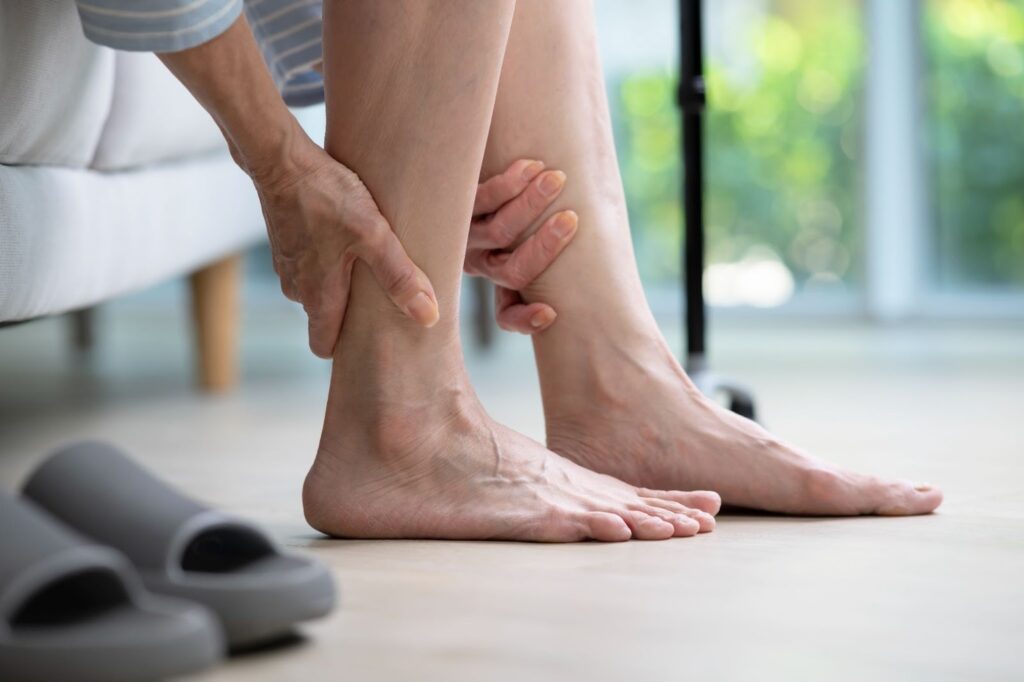
Warning Signs
• Numbness or tingling
• Slow-healing wounds
• Changes in skin color
• Thickened toenails
The APMA strongly recommends routine foot evaluations for patients with diabetes.
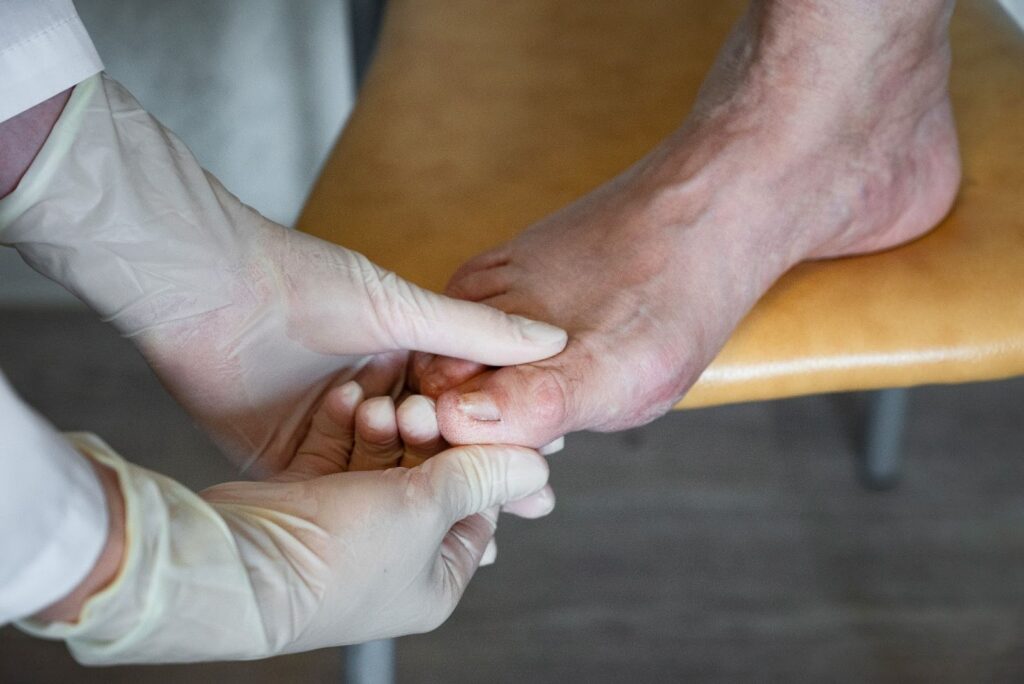
Preventative Care Is Essential
Routine exams can:
• Detect ulcers early
• Prevent infections
• Protect long-term mobility
Proactive care significantly reduces complications.
If you have diabetes, even without symptoms, an annual foot evaluation is critical.
📍 Parma: (440) 884-4100
📍 Broadview Heights:(440) 660-2990