
As the weather cools down and routines shift, fall is the perfect time to give your feet a little extra attention. From dry skin and cold toes to seasonal shoe swaps and subtle aches, autumn can introduce challenges that affect foot comfort, circulation, and mobility.
At Podiatry of Greater Cleveland, we often see an uptick in foot issues this time of year — not just related to fall risks, but also changes in skin condition, shoe fit, and daily activity. Whether you’re lacing up boots or staying active outdoors, here’s how to keep your feet healthy, supported, and ready for the season.
✅ Why Fall Can Be Tough on Feet
Cooler weather and closed-toe shoes often mean less ventilation, drier skin, and increased pressure on common problem areas. You might also notice:
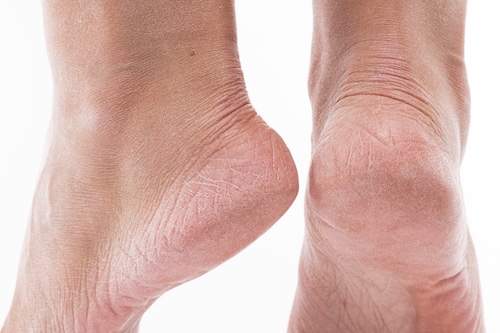
- Cracked heels from dry air and friction
- Ingrown toenails from tight shoes or thick socks
- Joint stiffness due to colder temperatures
- Worsening circulation issues, especially in those with diabetes or neuropathy
Being aware of these subtle seasonal shifts can help you stay one step ahead of discomfort.
🧵 Choosing the Right Fall Footwear
Say goodbye to flip-flops and sandals — fall is the time for supportive, enclosed shoes that keep feet warm, dry, and protected.
Look for shoes with:
- Low heels and non-slip soles
- A roomy toe box to avoid crowding
- Breathable but warm materials (like leather or knit uppers)
- Cushioned insoles and arch support
Pro Tip: Break in new shoes gradually by wearing them indoors for short periods. Consider swapping in custom orthotics or over-the-counter inserts for added comfort.
For additional guidance, see APMA’s Balance-Boosting Footwear Tips and check out APMA Seal-Approved Footwear for podiatrist-recommended options.
Recommended Brands:
- Brooks Ghost (neutral support for daily wear)
- Orthofeet (great for diabetic or sensitive feet)
- Vionic (fashion-forward with podiatrist-approved support)
- New Balance (wide sizes and excellent cushioning)
💄 Fall Skin Care for Feet
Cool, dry air can strip moisture from your skin, especially on the heels and toes. Cracked skin isn’t just uncomfortable — it can also increase infection risk.
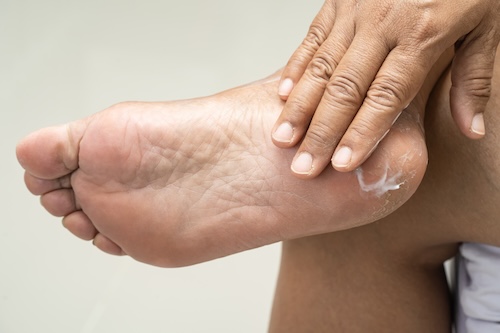
Keep your skin healthy by:
- foot cream daily, especially before bed
- Using a pumice stone to gently exfoliate rough areas
- Wearing cotton or wool socks that breathe
- Avoiding soaking feet in hot water, which can worsen dryness
Look for moisturizers with urea, shea butter, or glycerin for the best hydration. See Byrdie’s guide to urea creams or Vogue’s top-rated foot creams for expert-recommended options.
🏃♂️ Staying Active Without Foot Pain
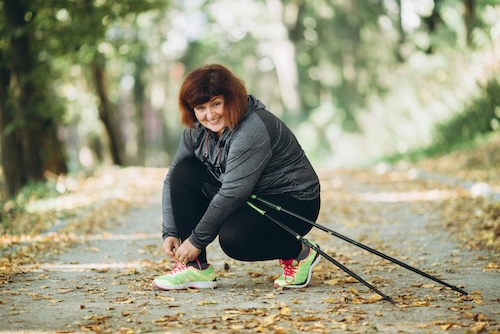
Fall is a great season for outdoor activities like hiking, raking leaves, or long neighborhood walks. But increased activity in cold weather can stress your feet.
Common issues include:
- Heel pain (plantar fasciitis)
- Arch fatigue
- Sore ankles or toes from uneven terrain
Prevent problems by:
- Stretching your calves and arches before and after walks
- Wearing weather-appropriate, supportive shoes
- Avoiding thin socks or shoes with worn-out insoles
⚠️ A Quick Word on Fall Prevention
While this blog isn’t focused on falls, we can’t talk about autumn foot care without a brief reminder:
- Wear non-slip footwear, even indoors
- Use night lights in hallways and bathrooms
- Clear leaves, cords, and throw rugs from walkways
Older adults, especially those with balance issues or neuropathy, should consider scheduling a fall risk assessment with our office.

💼 Ready for a Seasonal Foot Check?
Whether you’re managing diabetes, foot pain, or just want to feel better on your feet this fall, we’re here to help.
Call Podiatry of Greater Cleveland at (440) 884-4100 or (440) 660-2990 to schedule your appointment.
Visit clevelandfoot.com for more tips, blogs, and foot care solutions.
#FallFootCare #HealthyFeet #ClevelandPodiatrist #FootHealthTips #SeasonalFootCare #PodiatryOfGreaterCleveland